


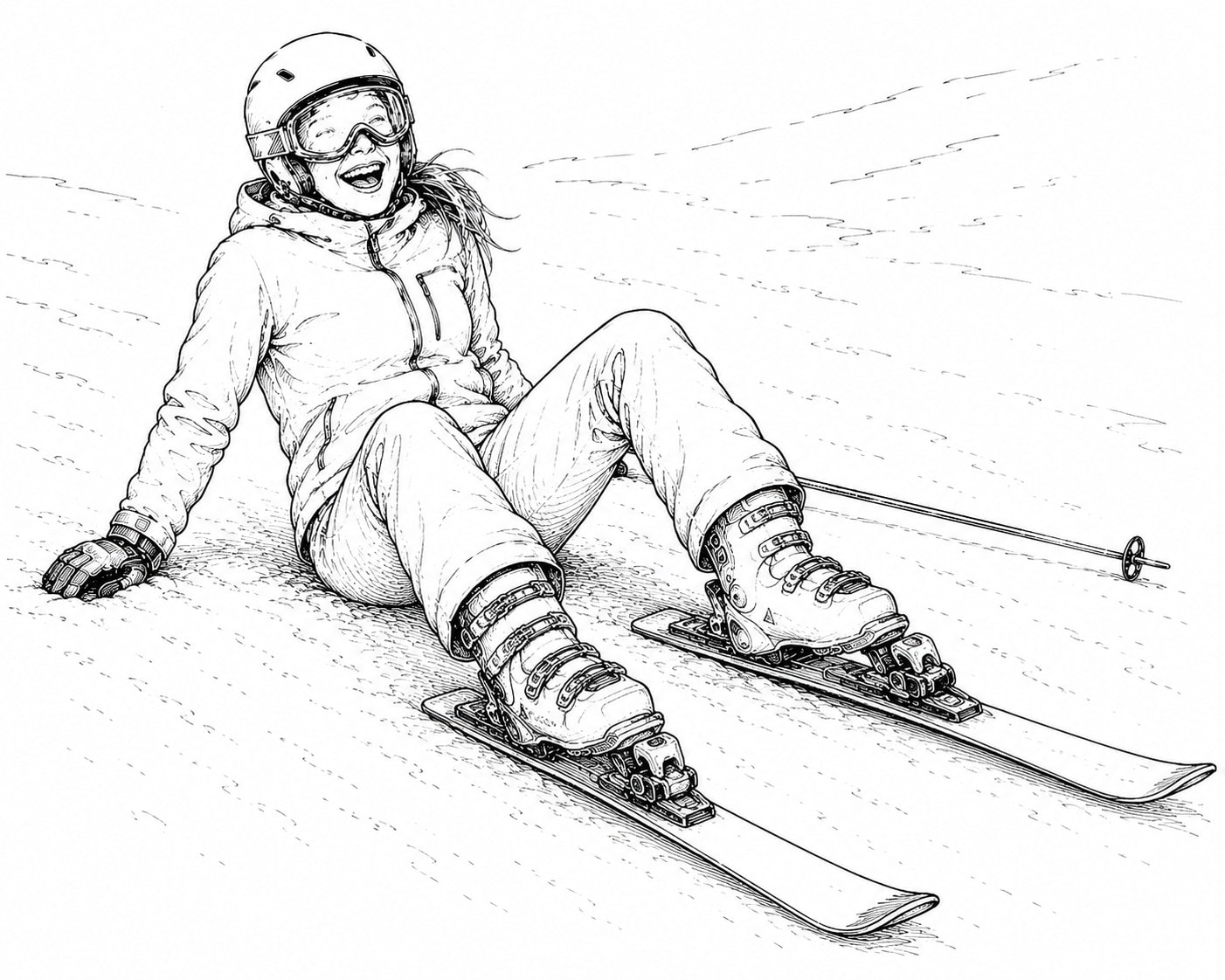















Tuesdays Are Made for Skiing
We are not advocating that you call in sick Tuesday morning and head to the slopes. Well…maybe we are.
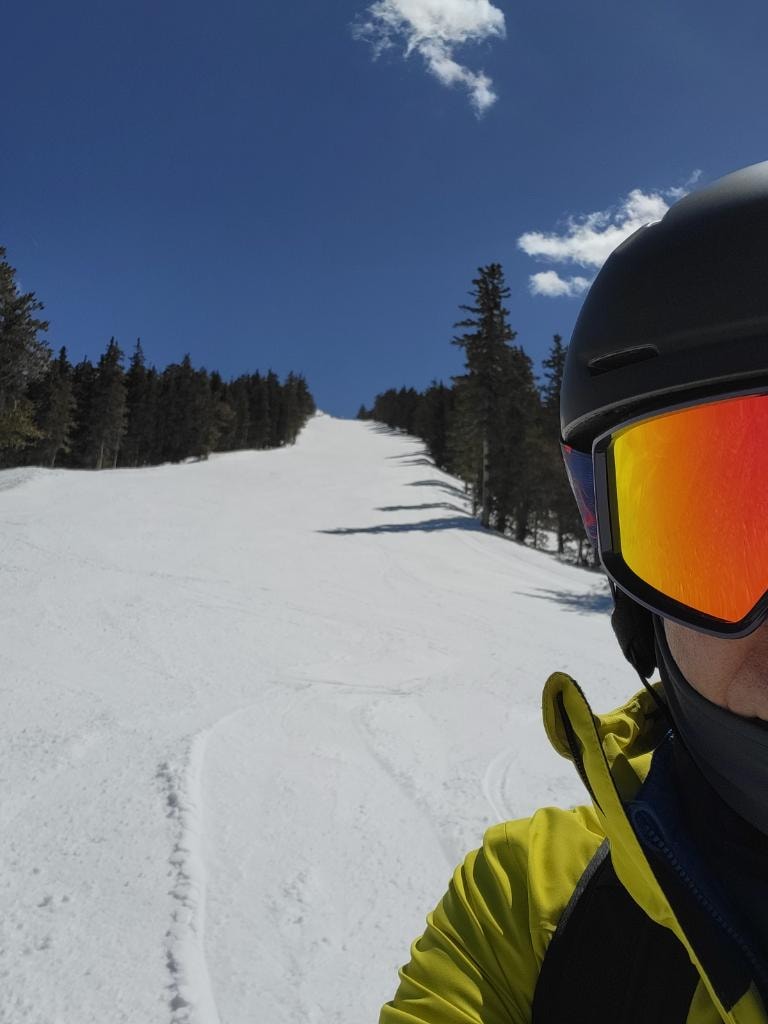
Those runs are begging to be skied: heavy snow on Sunday; roads should be clear by Tuesday; not many people skied Monday, you checked the livestream…You know you can get yourself back in time to punch the clock Wednesday morning. Just saying, there are worse decisions a responsible adult could make. Better than waiting until Saturday. A perfect justification.
Saturday skiing is way more stressful: sitting in traffic, ski boots, frozen in the trunk, that two-hour drive that just turned into three. Sunday is family day, long lift lines, crowded lodges, and always a six-year-old with no poles passes you at terrifying speed. Tuesday is sounding better and better.
Tuesday is perfect. You're used to getting up super early; after all, it is a workday. Only this Tuesday, your job is this: be the first one on the slope. You leave the house early; the roads are quiet. You're the first car in the parking lot, but as you get your gear on, 10 others roll in fast. Better get a move on. You made it, first in line; click in the binding and wait; the lift opens in 30 minutes. Other Tuesday skiers join you; it's the only time you spend talking about skiing instead of skiing. Unlike a Saturday, when half your day is spent discussing skiing instead of actually skiing.
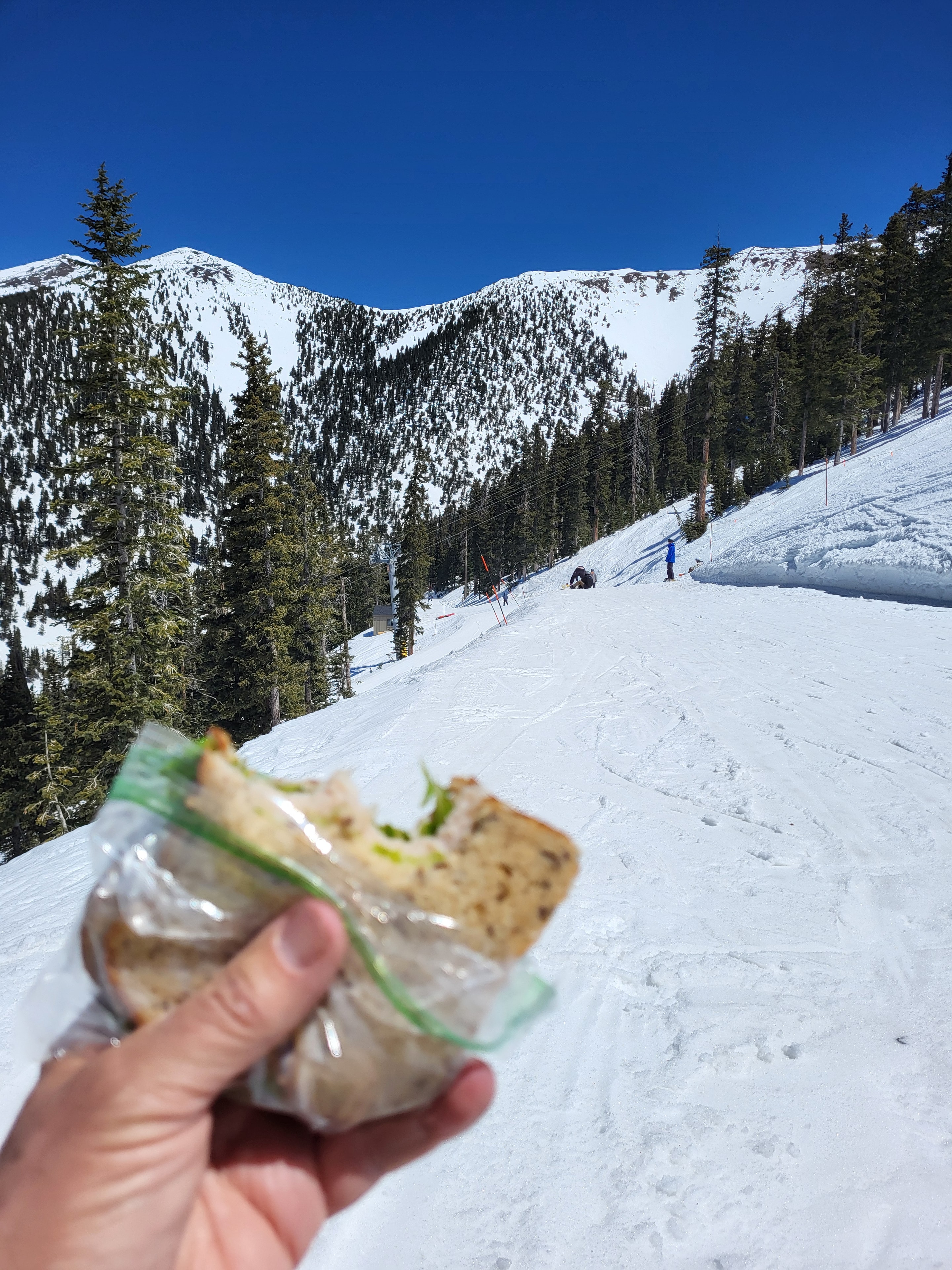
Here is the other beautiful part: you don't have to stay all day. Fewer people on the mountain means shorter lift lines; on Tuesday, you can rack up more runs before lunch than you usually get during an entire Saturday. Ski hard, eat the sandwich you wisely brought from home, take a few more runs, pack up, and head back down the mountain while all your buddies are still sitting at their desks wondering why they didn't call in sick.
There are a few stressors. Nothing destroys a carefully constructed Tuesday like showing up at work Wednesday morning with your nose looking like Rudolph's or the dreaded goggle face to give you away. Wear sunscreen.
Second, make sure your boss is in the office, not hitting the slopes, like you. This would be very awkward, twice. First, running into her in the lift line: "Hey, want to ski a couple runs together?" Then, again, back at the office. Don't take Tuesday if your review is on Friday.
Third, if the roads are slushy, wash the car. A vehicle covered in mountain road salt, frozen mud, and a suspicious amount of snow in the wheel wells is basically a confession sitting in the company parking lot; also, remove the ski rack.
Better yet, take the ski bus. Now you're being environmentally responsible. You can answer emails on the way up, work on the way home, and possibly even close your eyes for 45 minutes while technically remaining a productive member of society.
Better yet, go with a friend, on the bus. It's always a good idea to have an alibi. Make sure you sync up your stories. When I was in college, we had a local hangout named "The Office." By early afternoon, you could usually find a few business types sitting around having drinks and conducting what they described, with completely straight faces, as "meetings at The Office." I have always admired that level of commitment to terminology. So now I'm searching for a ski run named "The Office." Imagine the possibilities. Text asks, "Where are you?" "I'm at the office." "Can you talk?" "Give me five minutes. I'm just finishing something up." Technically, every word is true.
Of course, there is an easier solution to all of this.
Don't call in sick. Take a vacation day. You earned it. Put it on the calendar, wax the skis, make your sandwich, grab a friend, and enjoy that fresh snow, empty mountain, short lift lines, while everyone else waits for Saturday. Then on Wednesday morning, walk into work, satisfyingly tired, smiling, and completely guilt-free.
Just remember the sunscreen.