Arc'teryx Beta SL Jacket Score Card — The Feather & Arrow Collective
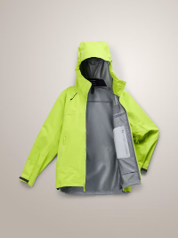
Arc'teryx Beta SL Jacket
Gear Score Card
Date: July 2026
Overall Rating
9.5
out of 10.0
Weight
325g (men's medium)
Performance Scores
Waterproofing
9.8Best-in-test waterproofing. GORE-TEX 3-layer construction with Arc'teryx WaterTight zipper technology delivers the most reliable wet-weather protection evaluated. Zero moisture ingress across all conditions.
Packability
9.6Packs into its own chest pocket to a compact, packable form. Best-in-test packability-to-protection ratio — exceptional for a 3-layer GORE-TEX construction.
Construction Quality
9.7Best-in-test construction quality. Arc'teryx seam sealing, WaterTight zippers, and Cohaesive hood adjustment system represent the highest build standard evaluated.
Breathability
9.2GORE-TEX 3L delivers strong breathability for a fully waterproof shell. Manages exertion moisture effectively on sustained alpine approaches and technical trail use.
Weight
9.3At 325g in a men's medium, the Beta SL is 14% below the category average of 378g — excellent weight efficiency for a 3-layer GORE-TEX construction.
Fit & Mobility
9.4Articulated patterning and trim alpine fit deliver excellent mobility on technical terrain. Helmet-compatible hood adjusts precisely for layering over insulation.
Durability
9.5GORE-TEX 3L face fabric and Arc'teryx construction deliver best-in-test long-term durability. DWR treatment maintains performance over extended use.
Value
8.7Premium price point reflects GORE-TEX 3L construction and Arc'teryx build quality. Strong value for serious alpine and trail hikers who demand best-in-class waterproof protection.
Technical Specifications
Expert Verdict
The Arc'teryx Beta SL Jacket delivers best-in-test waterproofing, construction quality, and packability in a 325-gram GORE-TEX 3-layer shell. The WaterTight zipper system, Cohaesive hood, and articulated patterning represent the highest build standard in this category. For hikers and alpinists who encounter serious wet-weather conditions and demand a jacket that will not fail, the Beta SL remains the most technically accomplished shell evaluated.
The Feather & Arrow Collective | Independent Evaluation. Intelligent Analysis.
Data Sources: All specifications, weights, and performance data are sourced exclusively from manufacturer published specifications, technical documentation, and peer-reviewed materials science research. No independent physical testing was conducted. Scores reflect comparative analysis of manufacturer data relative to category averages.