Bicycling Gear
Data-driven analysis of ultralight hardtail mountain bikes, helmets, and cycling equipment based on technical specifications and materials science.
Power to the Pedal! Shoe and Pedal Combinations for the Tarmac:
Five road pedal and shoe combinations evaluated for power transfer, stiffness, and weight on the tarmac.
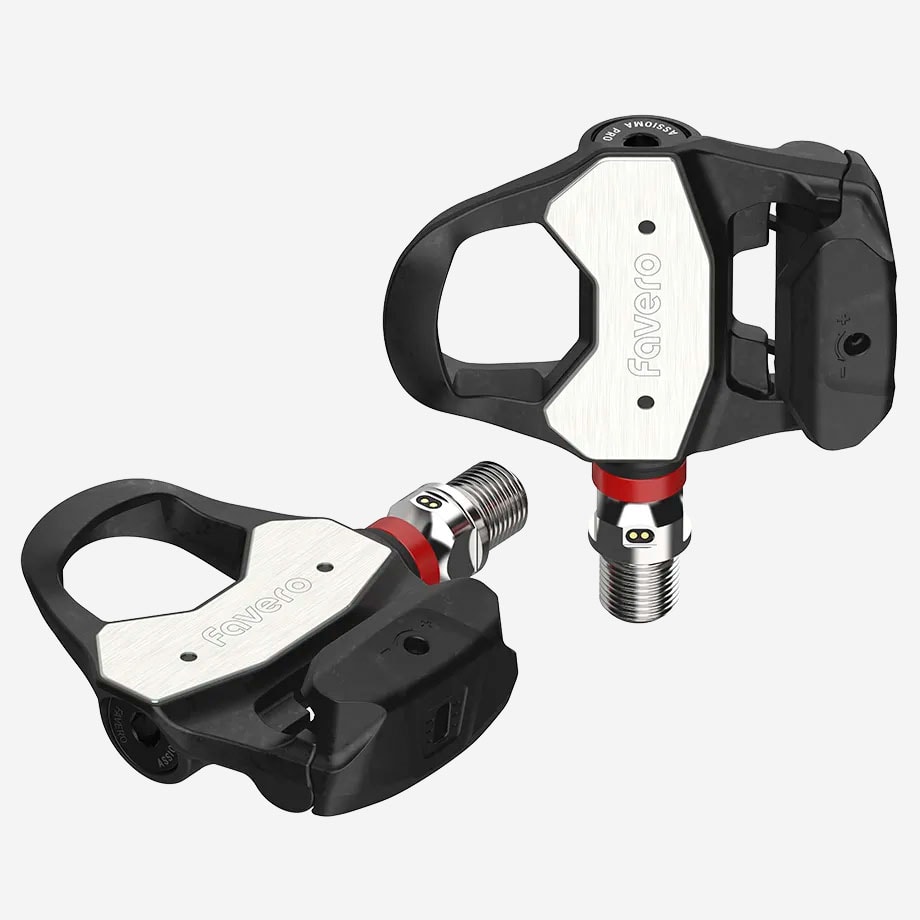
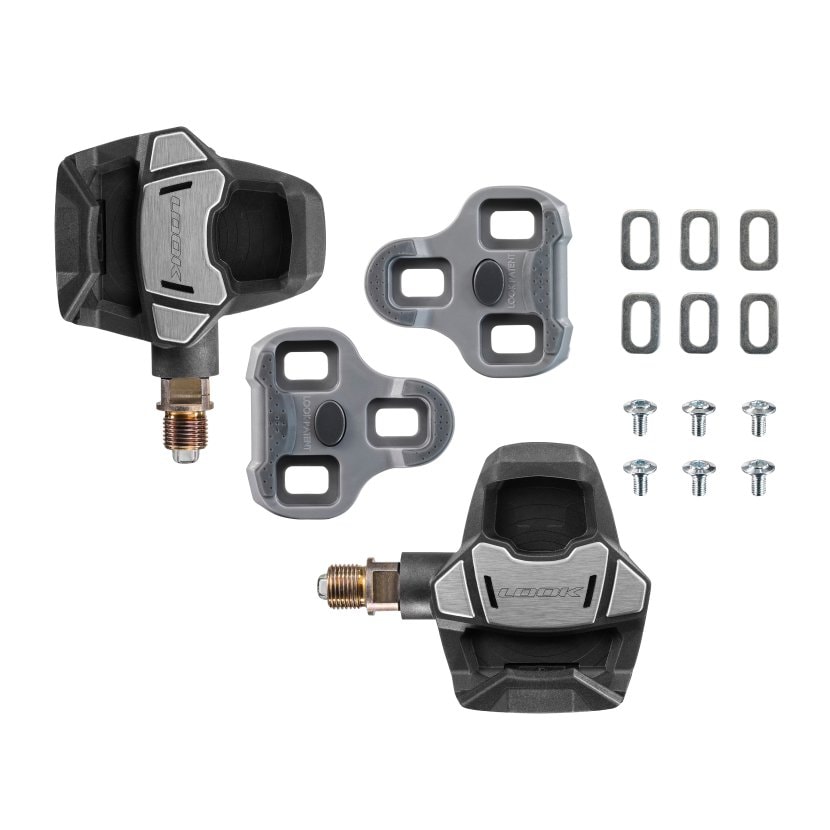
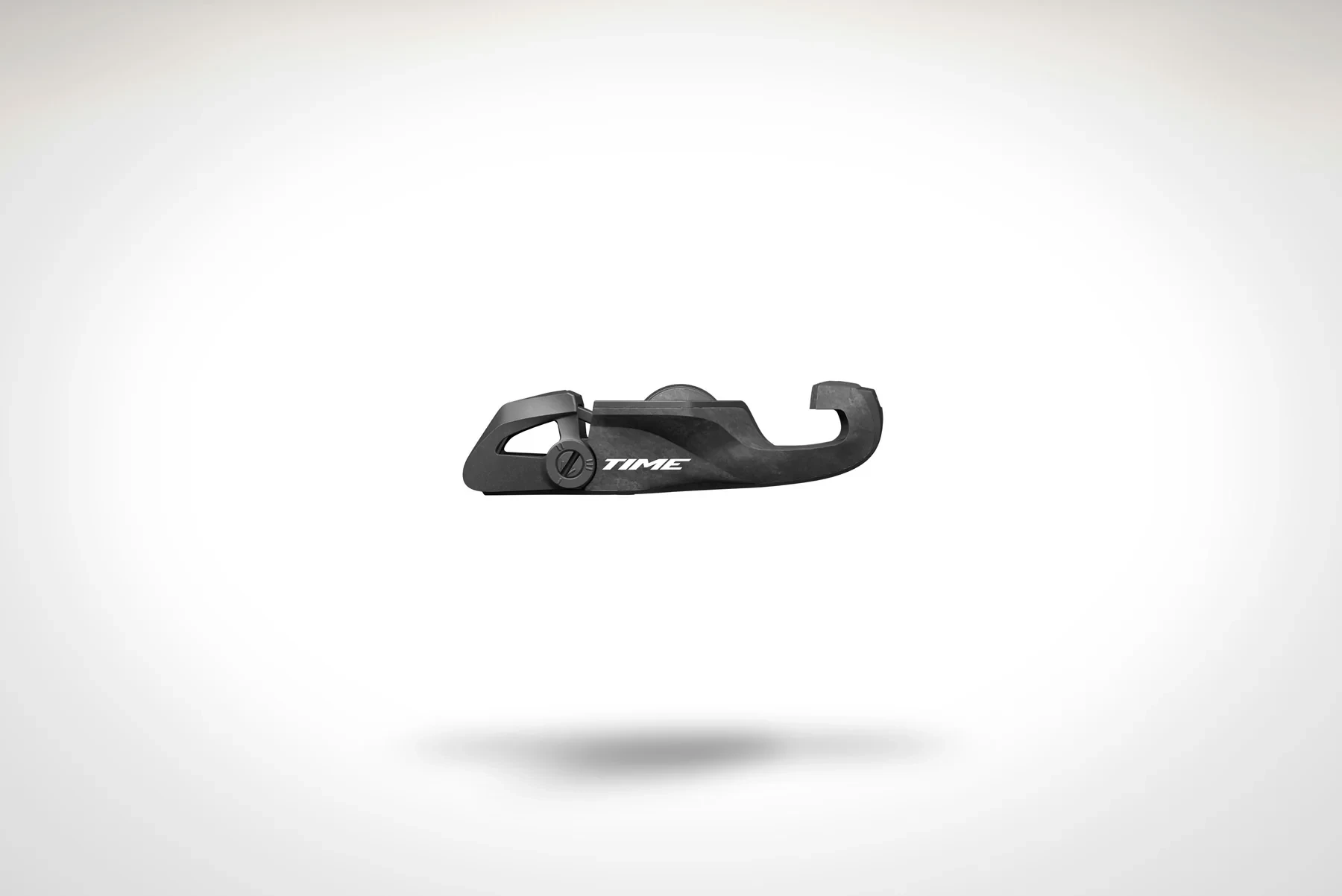
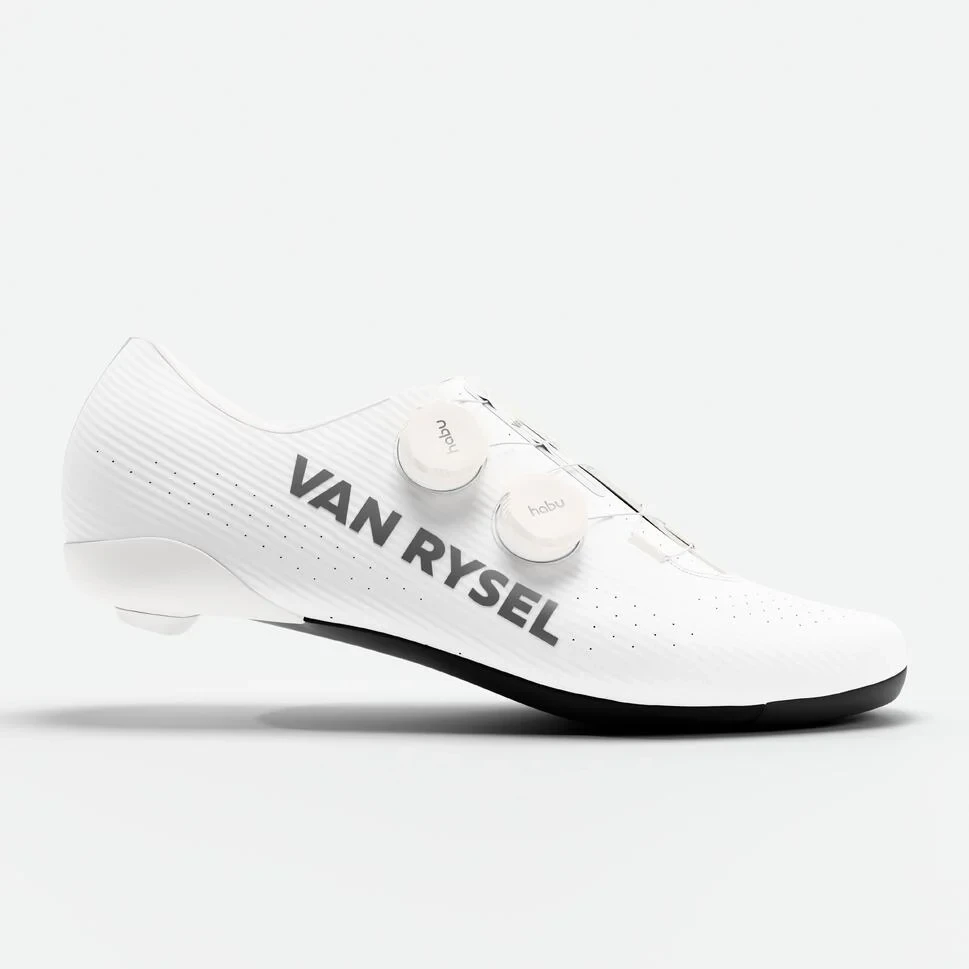
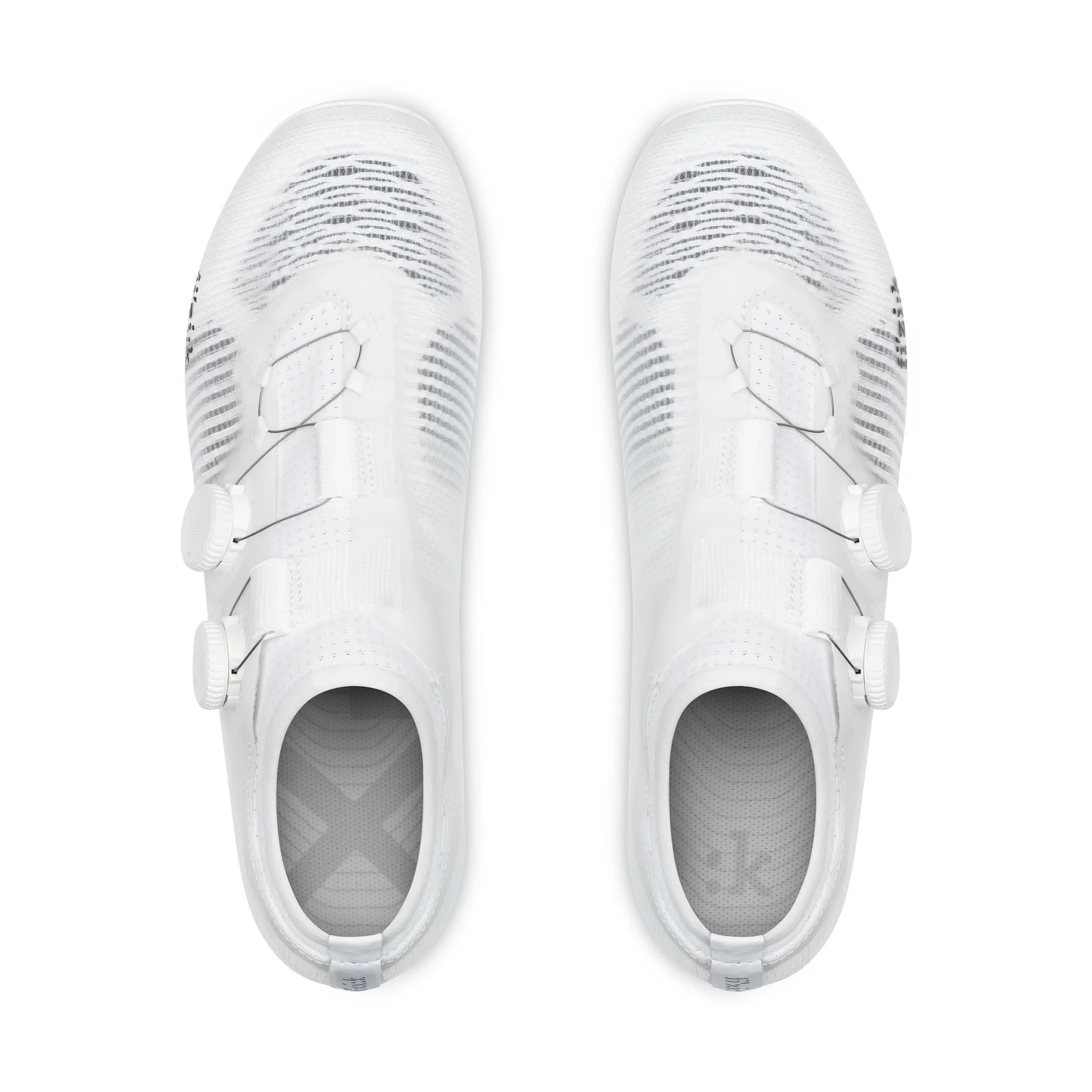
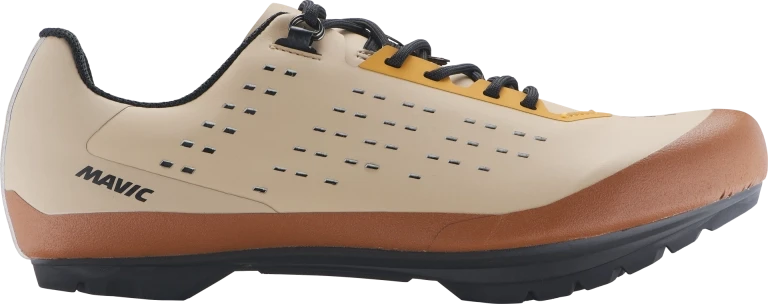
Dirt and Mud Your Style? Review the best ultra-lightweight pedal and shoe combos here:
Four MTB and gravel pedal and shoe combinations evaluated for mud clearance, engagement, and trail performance.
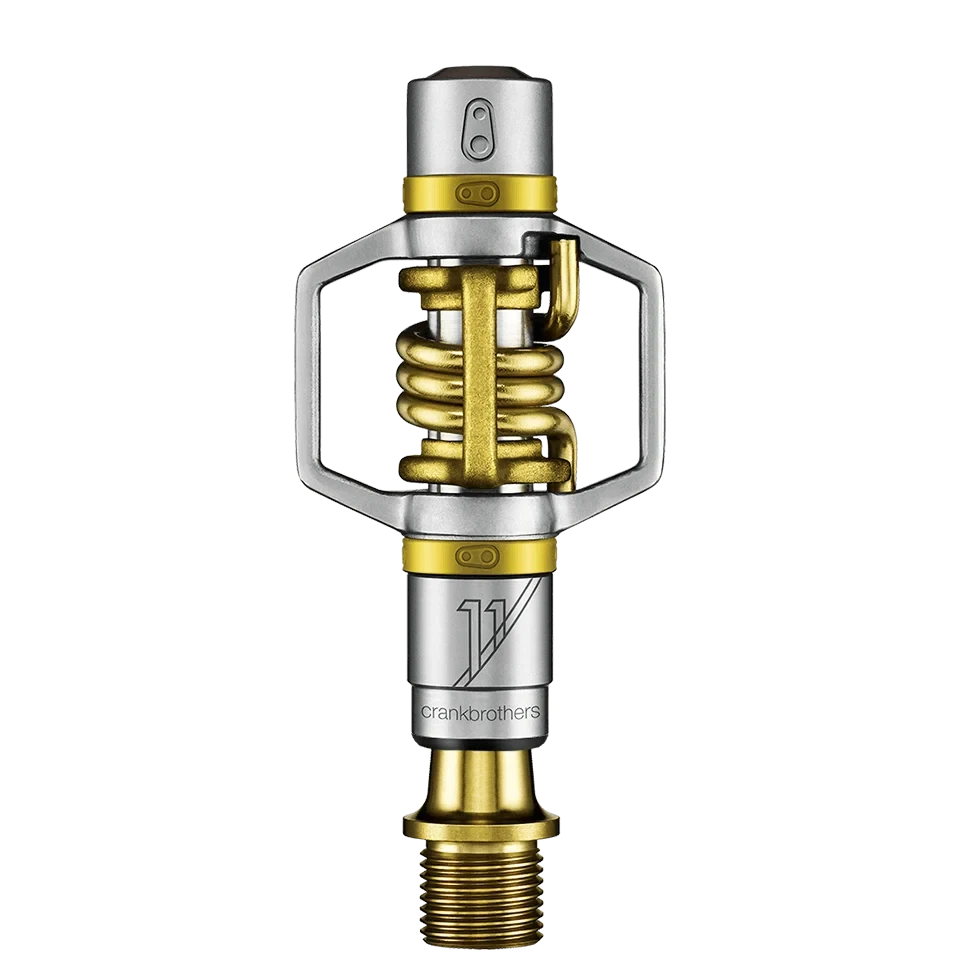
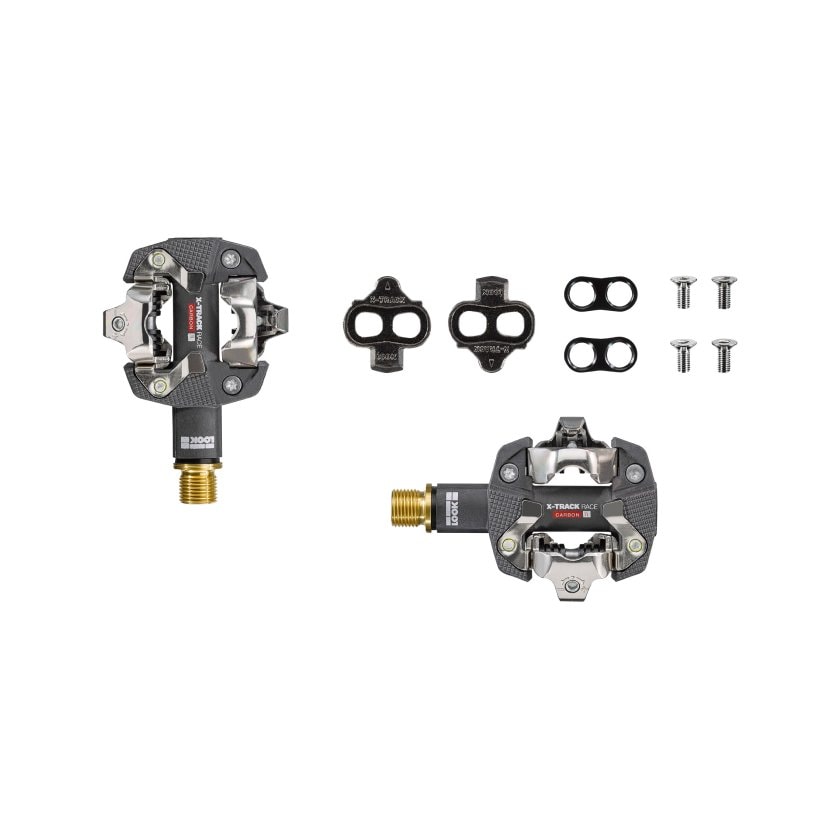
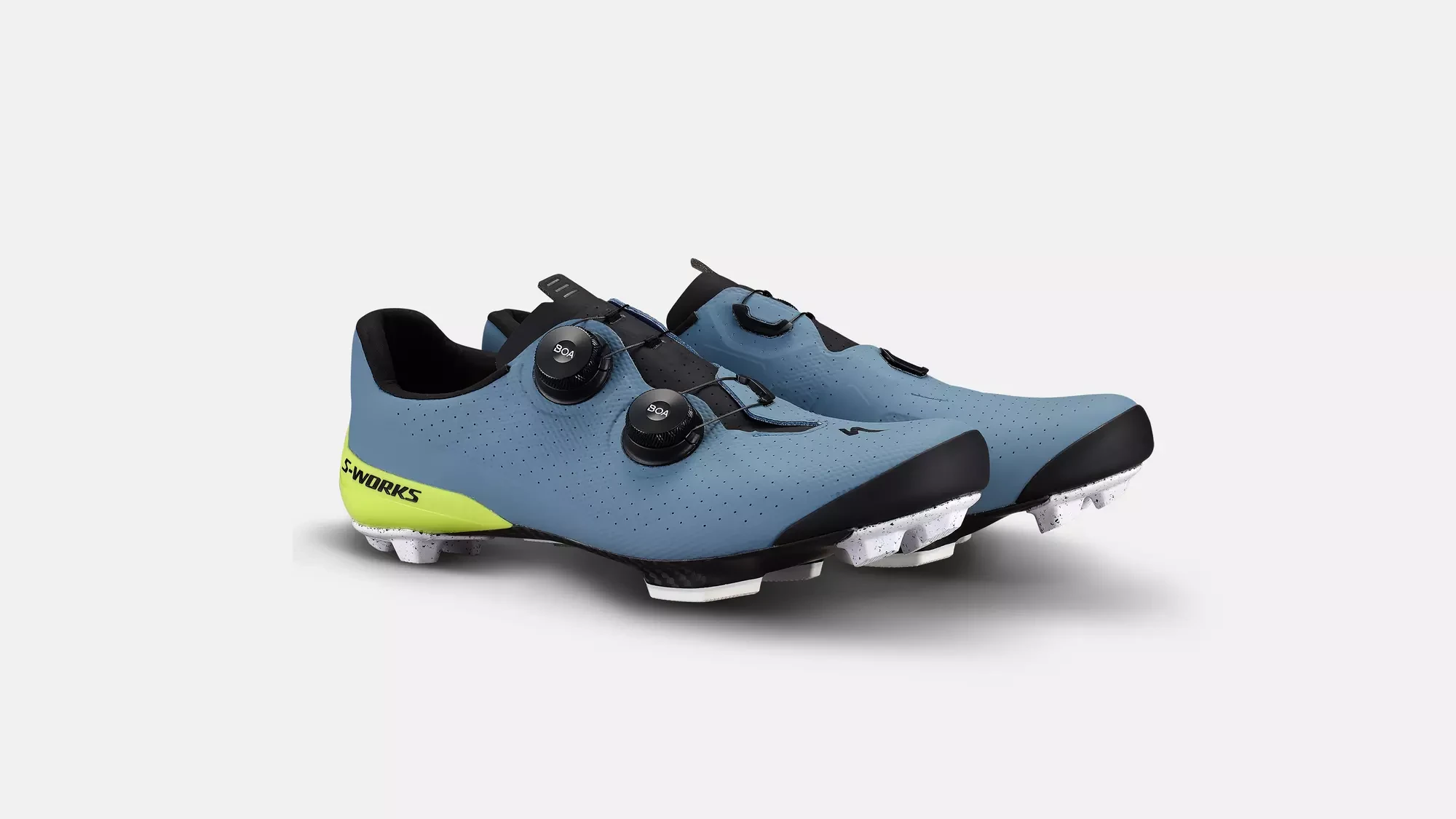
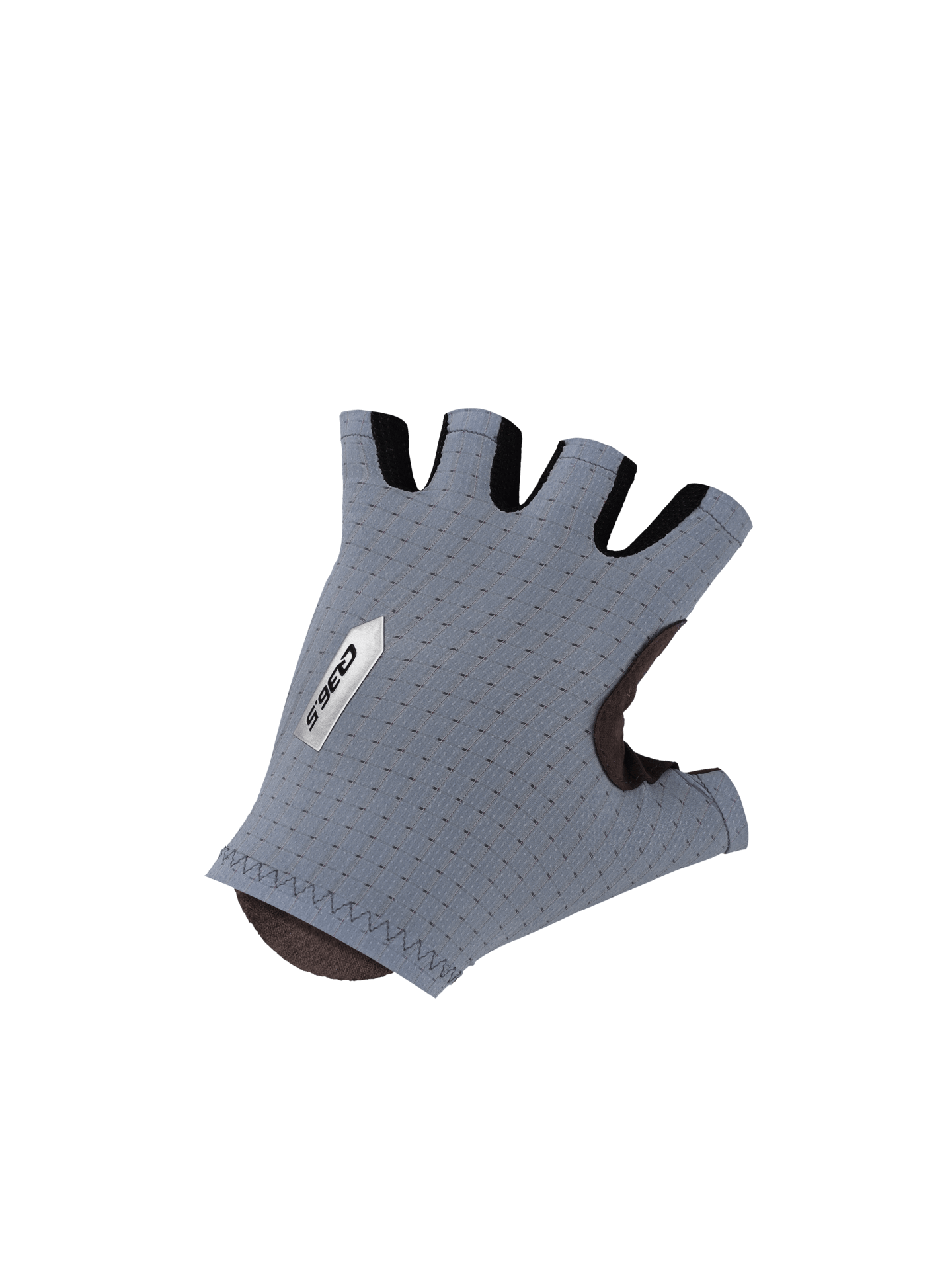
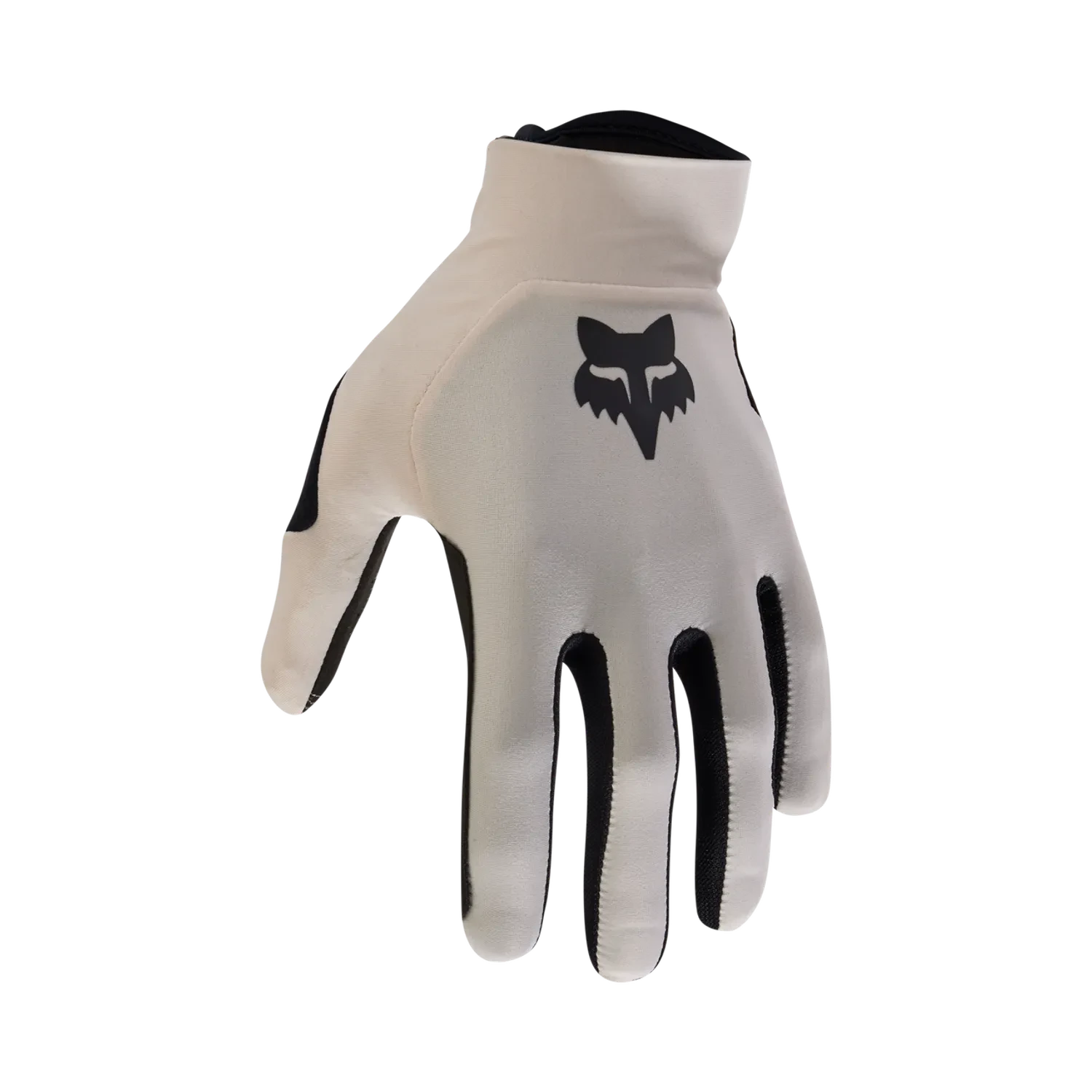
Gloves The Collective can't live without...
Pedal Stroke Efficiency
The ideal road racing pedal stroke is smooth and efficient, maximizing power output while minimizing wasted energy and unnecessary full-body movement. Sport science research indicates trained cyclists perform best at cadences around 90 to 100 RPM, where aerobic efficiency and fatigue resistance are optimized.
Throughout the pedal cycle, different muscle groups contribute to power production. During the downstroke phase (1–5 o'clock), the gluteus maximus and quadriceps generate the majority of propulsion, extending the hip and knee to drive the crank downward. Around the bottom of the stroke (5–7 o'clock), the calf muscles, particularly the gastrocnemius and soleus, help transfer force through the ankle. During the recovery phase (7–11 o'clock), the hamstrings and hip flexors assist in unweighting (pulling upward) the rising pedal, reducing resistance against the opposite leg. Core muscles stabilize the pelvis and torso throughout the entire revolution, allowing efficient transfer of power to the bicycle.
Biomechanics and exercise physiology consistently demonstrate that a smooth, high-cadence pedal stroke distributes muscular workload across multiple muscle groups, reducing peak force demands on any single muscle. The result is improved endurance, lower muscular fatigue, and more sustainable power output, especially during long mountain climbs.
Enter the power meter integrated into the cycling pedal. Now a rider can read (on their cycling computer) real-time data, allowing you to make real-time adjustments to your form.
As you read through the Gear Score Cards, you will notice that not only is power output data available, but a full range of analytics is available in real time and for your post-race/ride analysis.
Sources
- Ericson, M.O. (1988). Mechanical muscular power output and work during ergometer cycling at different workloads and speeds.
- Neptune, R.R., Kautz, S.A., & Hull, M.L. (2000). The influence of pedaling rate on coordination in cycling.
- Coyle, E.F. et al. (1991). Physiological and biomechanical factors associated with elite endurance cycling performance.
- Bini, R.R., Hume, P.A., & Croft, J.L. (2011). Effects of bicycle saddle height on knee injury risk and cycling performance.
- Faria, E.W., Parker, D.L., & Faria, I.E. (2005). The science of cycling: Physiology and training.
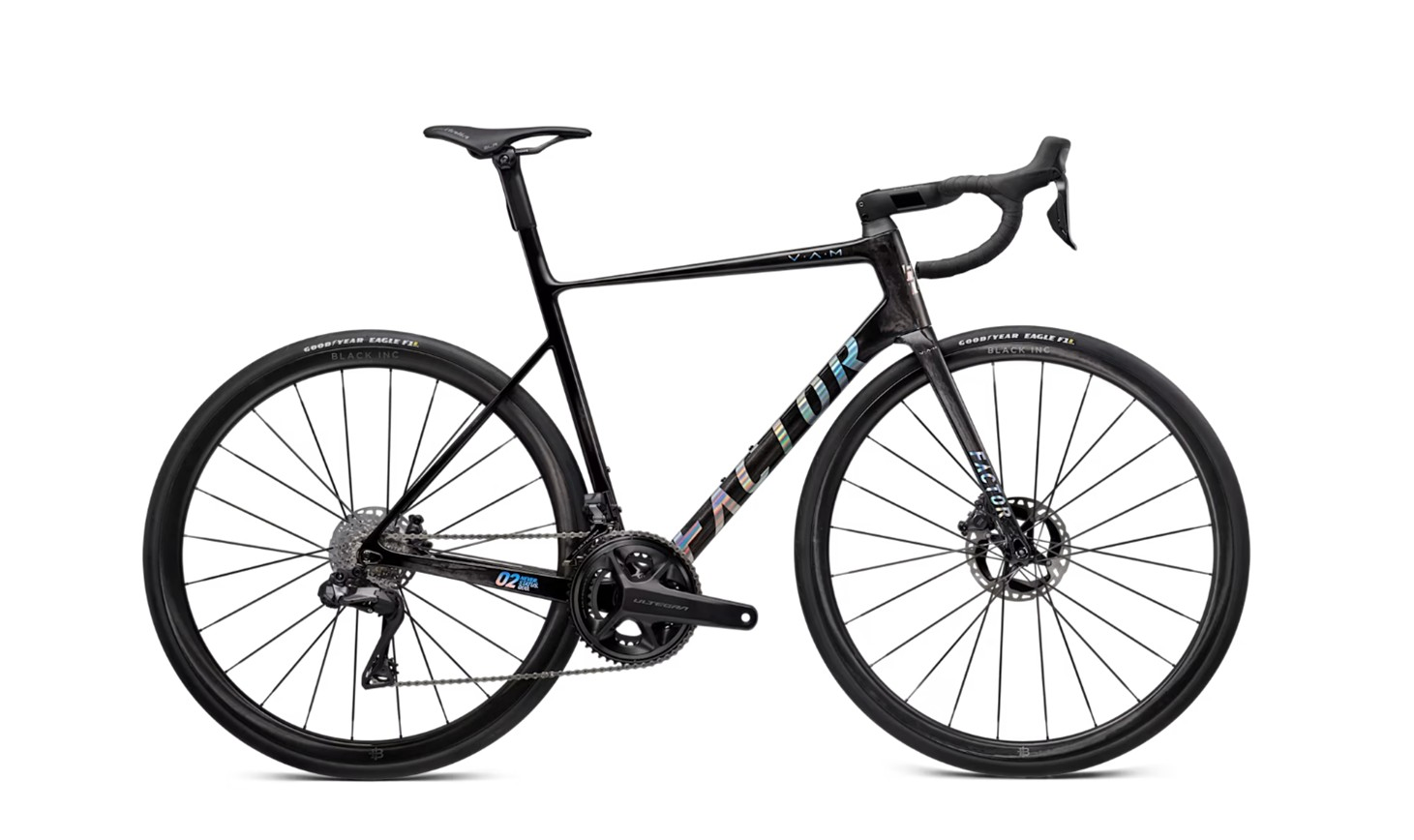
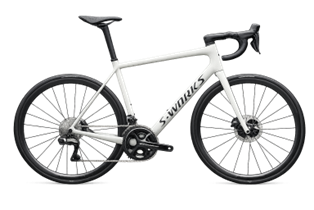
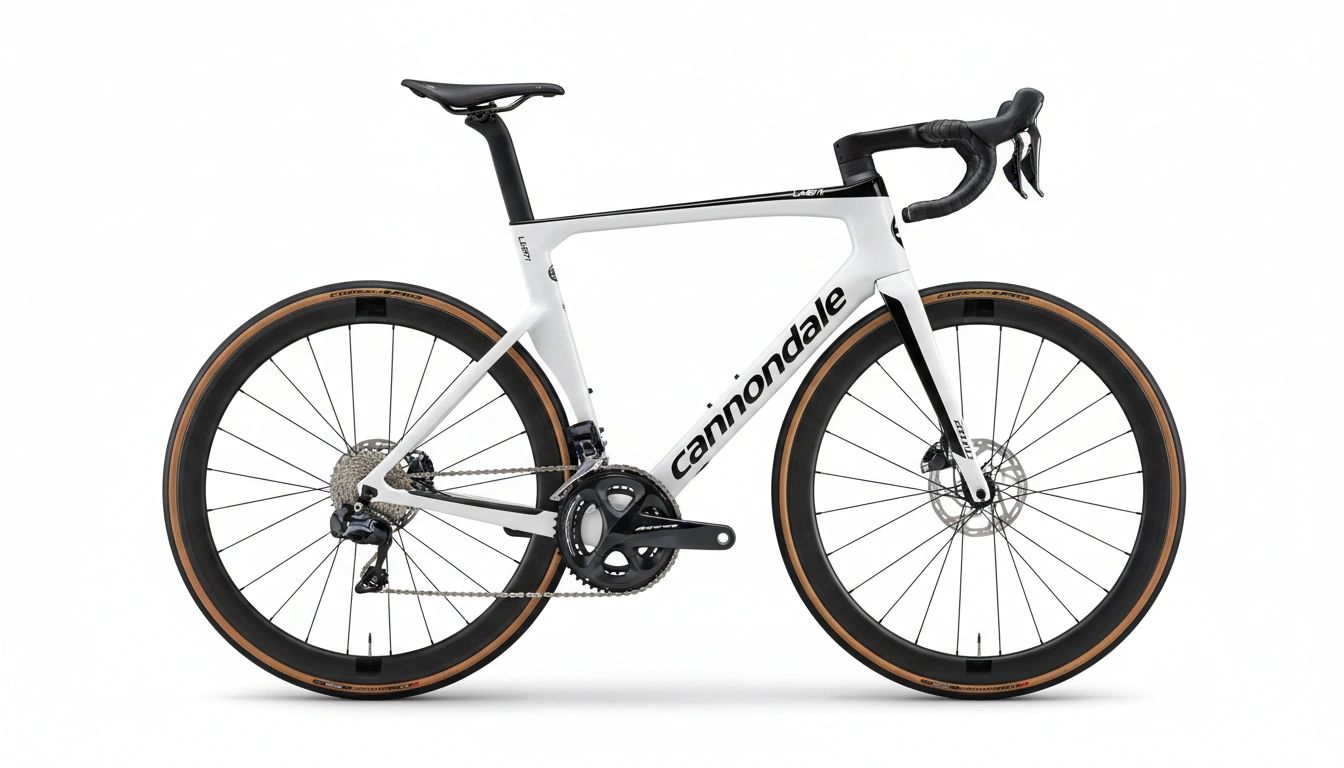
Road Bicycles — Ultralight Weight Climbers
Our inaugural evaluation of aero-light climbing road bicycles. Machines engineered for mountain stages and the athletes who understand that watts per kilogram is the decisive metric.
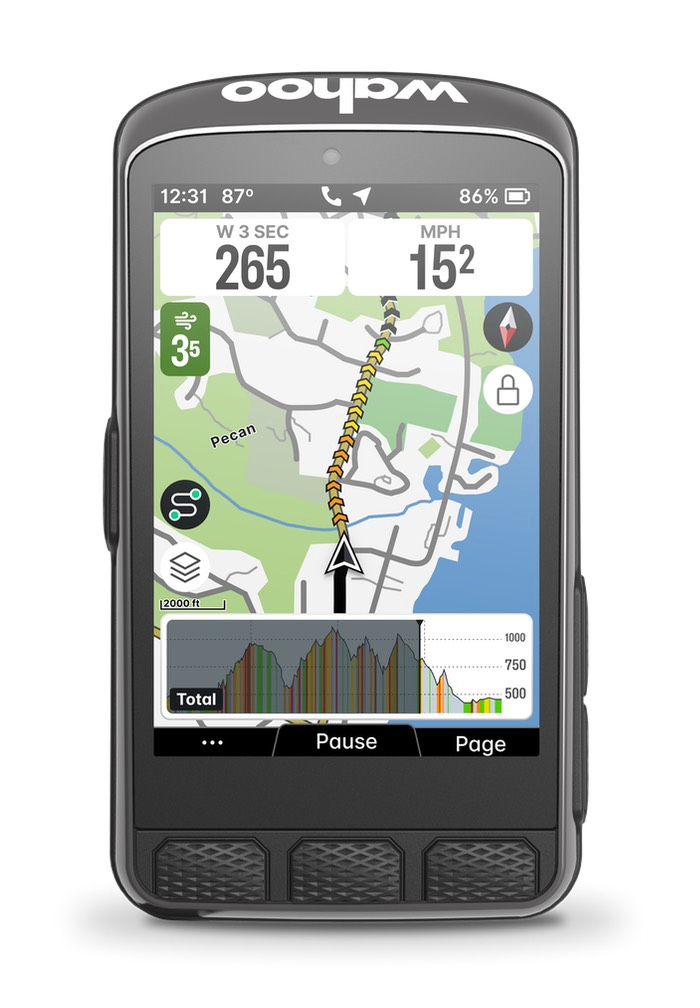
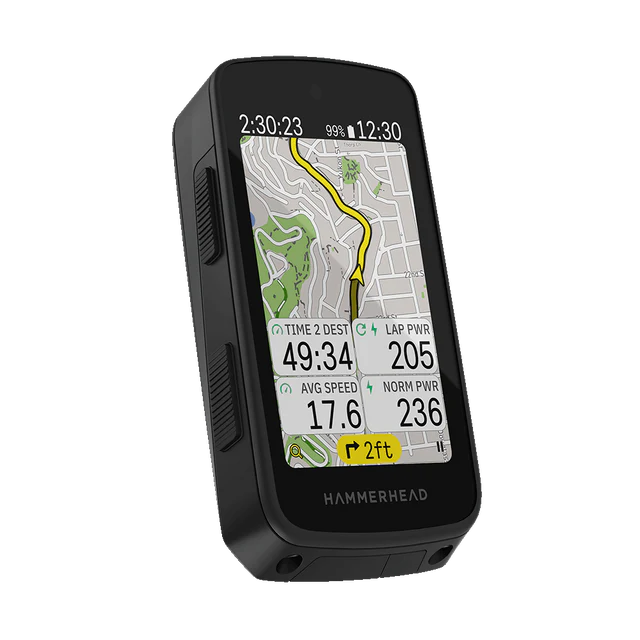
Cycling Computers for Serious Mountain and Road Cyclists
Garmin Edge 1050, Wahoo ELEMNT ACE, and Hammerhead Karoo evaluated across sensor compatibility, navigation quality, battery life, and crash detection.
Read the Full Editorial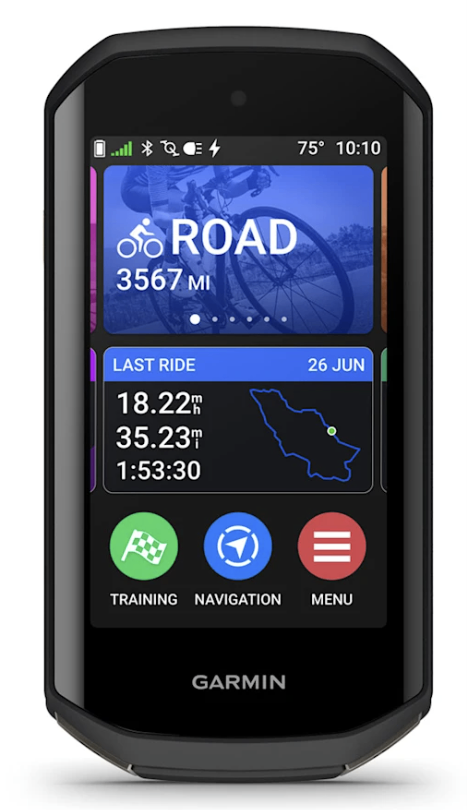
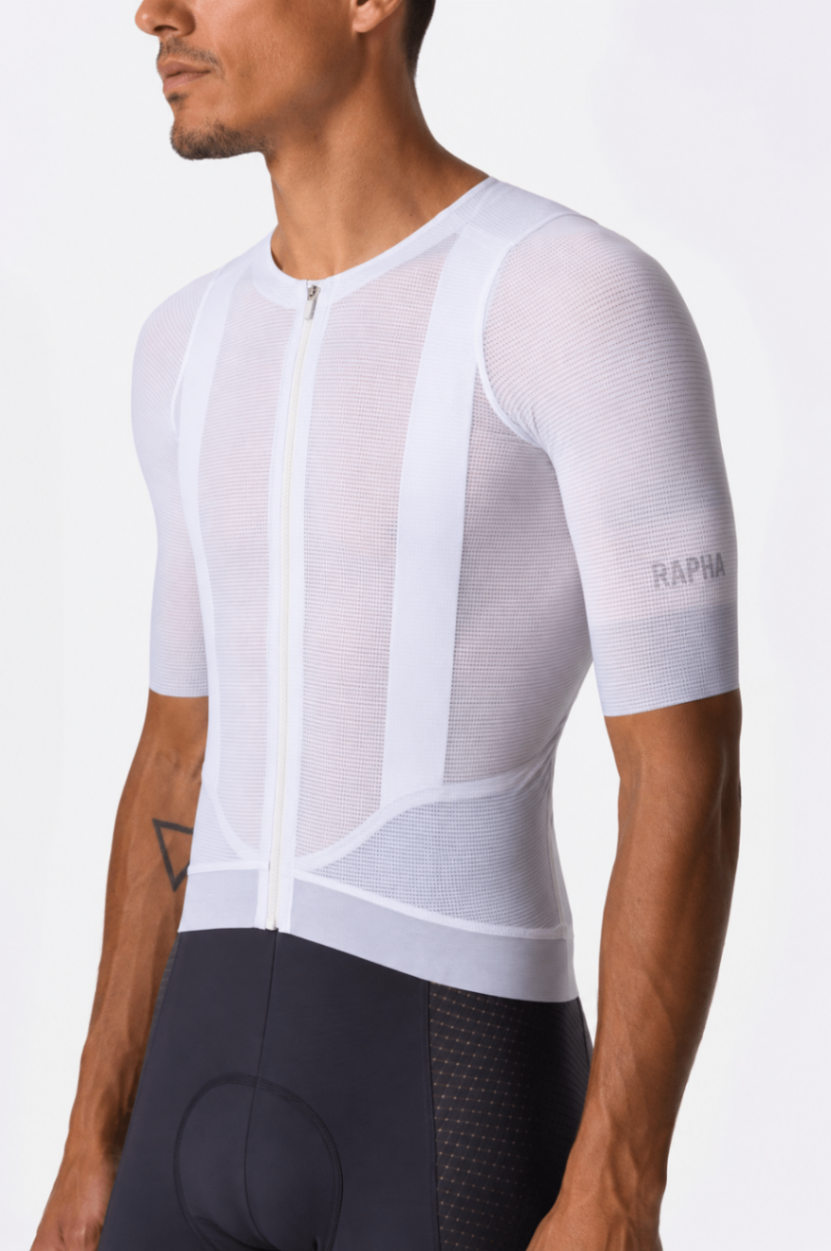
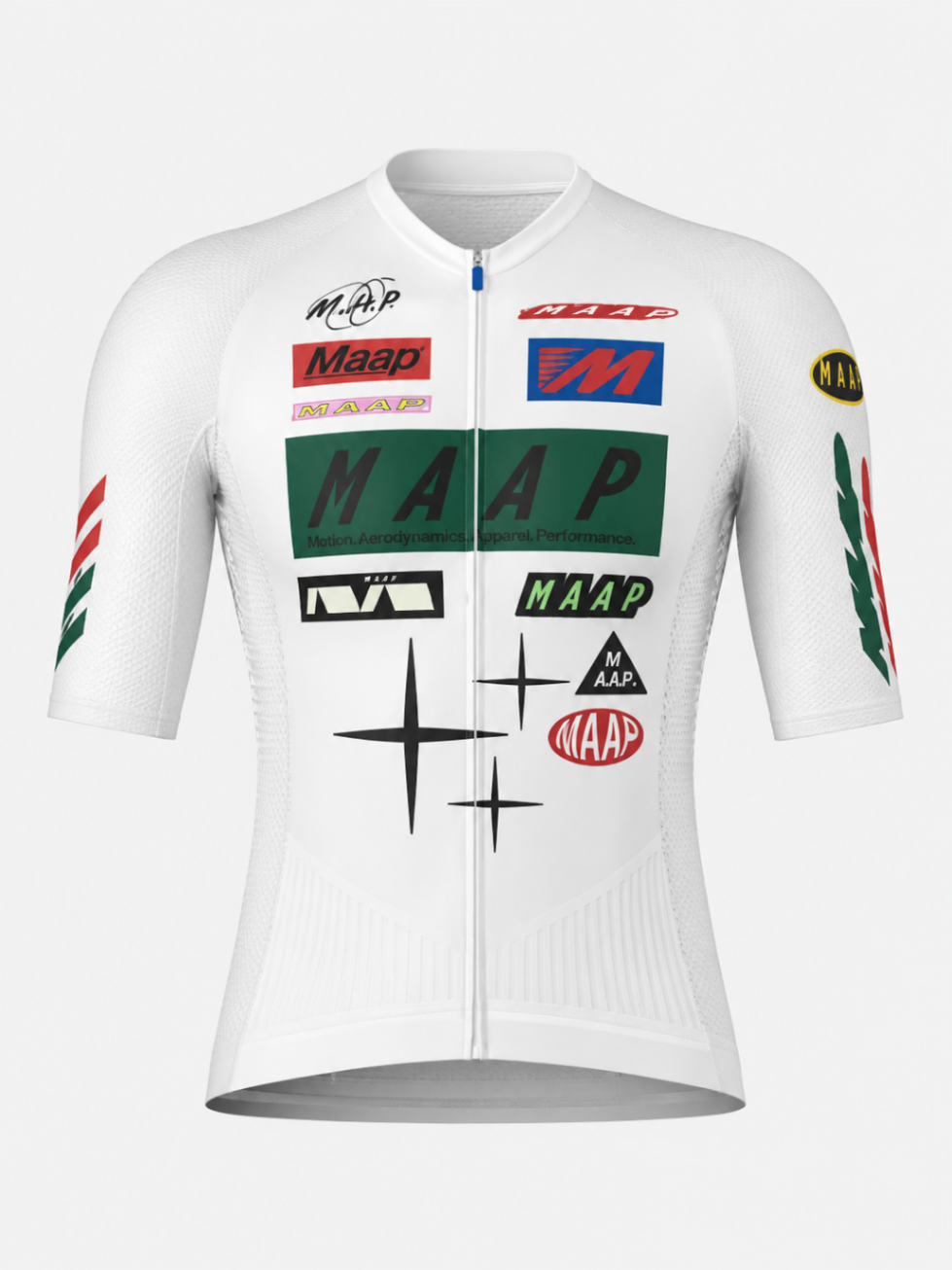
Road Cycling Apparel
Ultralight climbing jerseys evaluated for weight, airflow efficiency, moisture transfer, and aerodynamic fit.
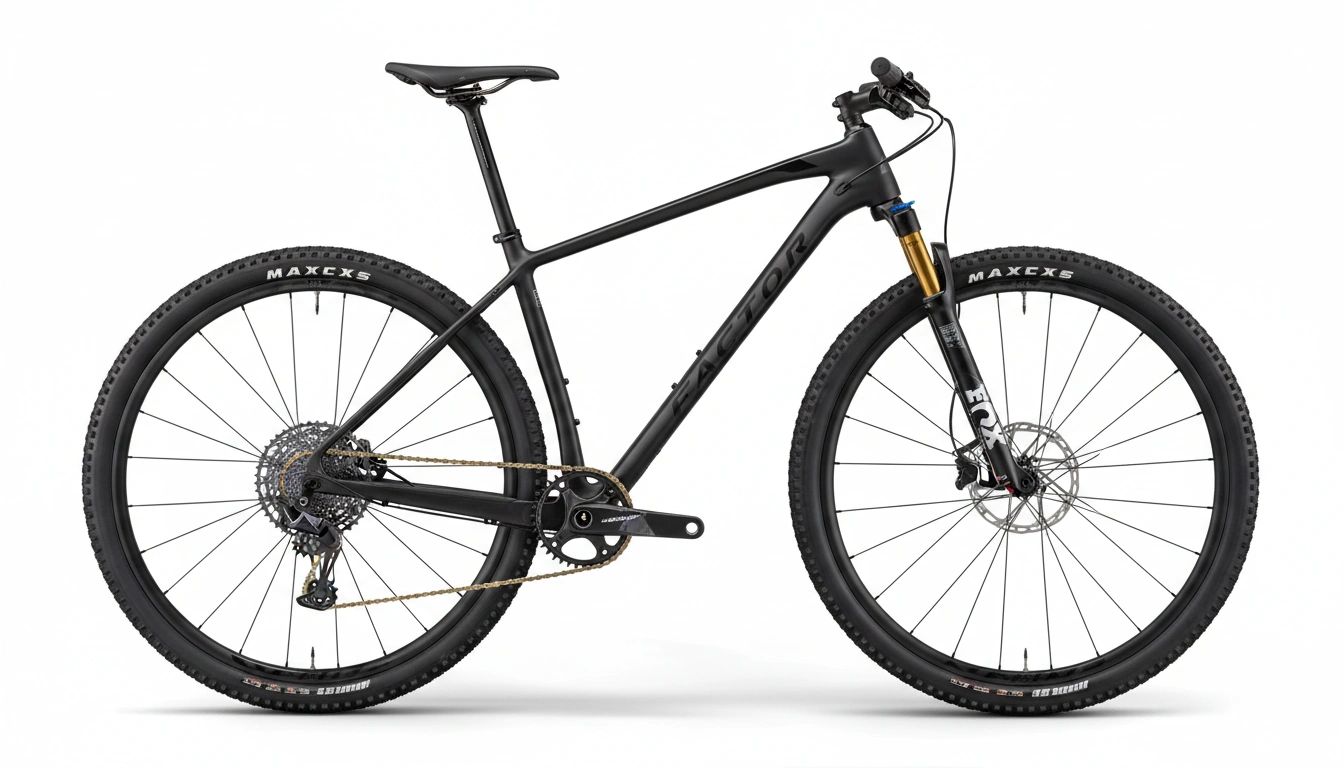
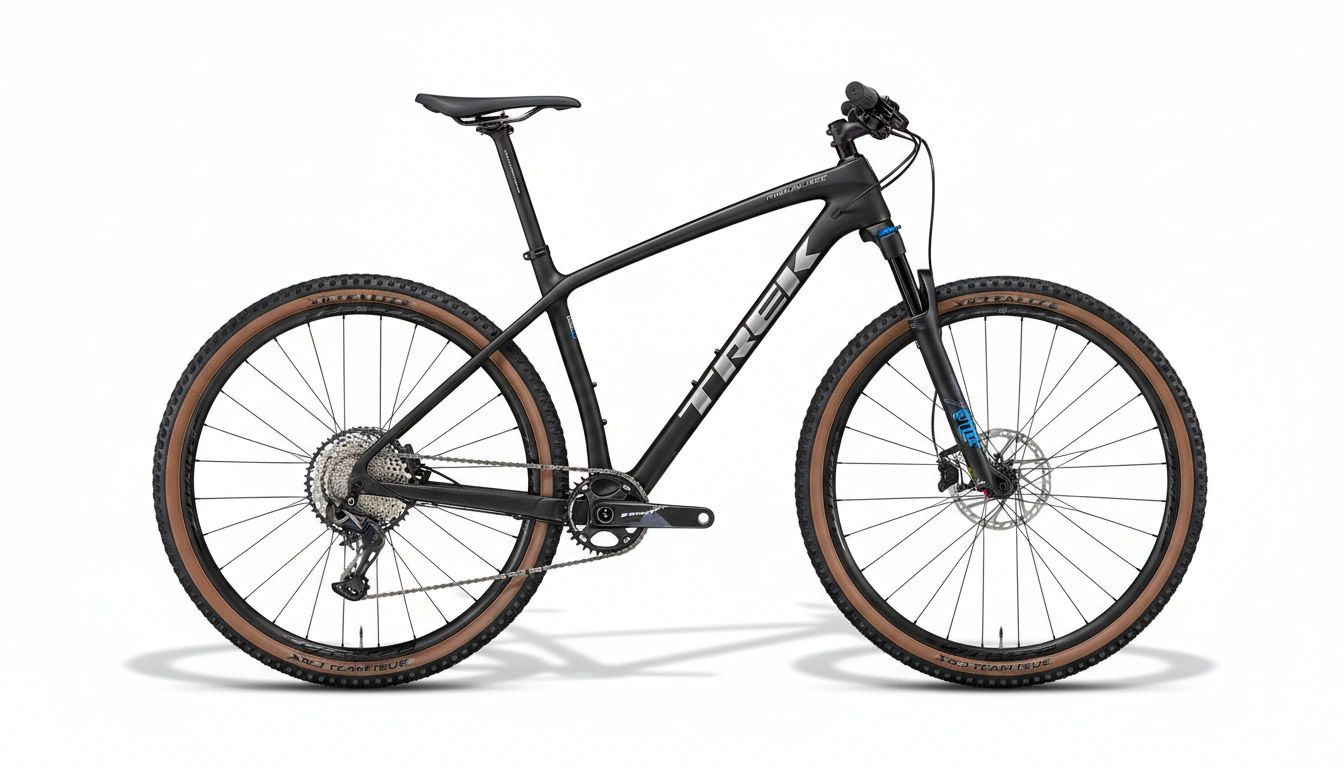
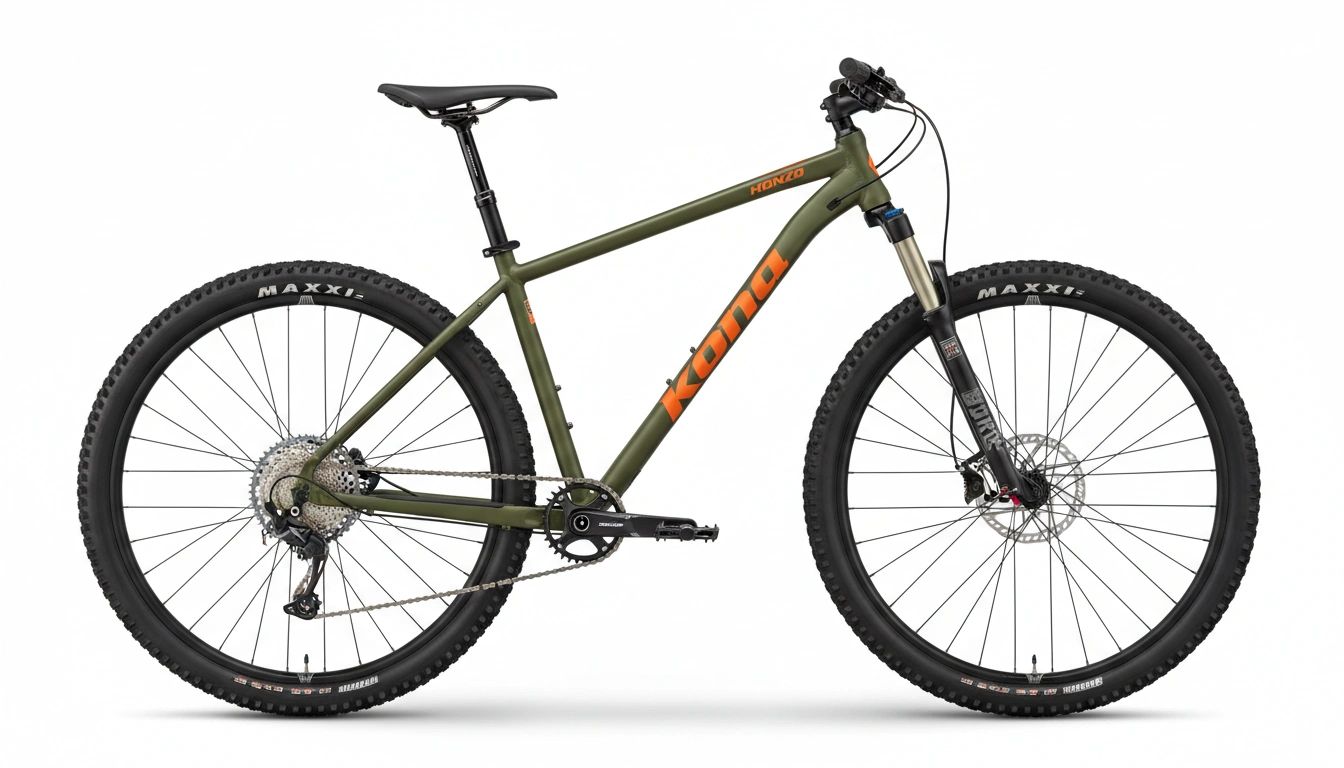
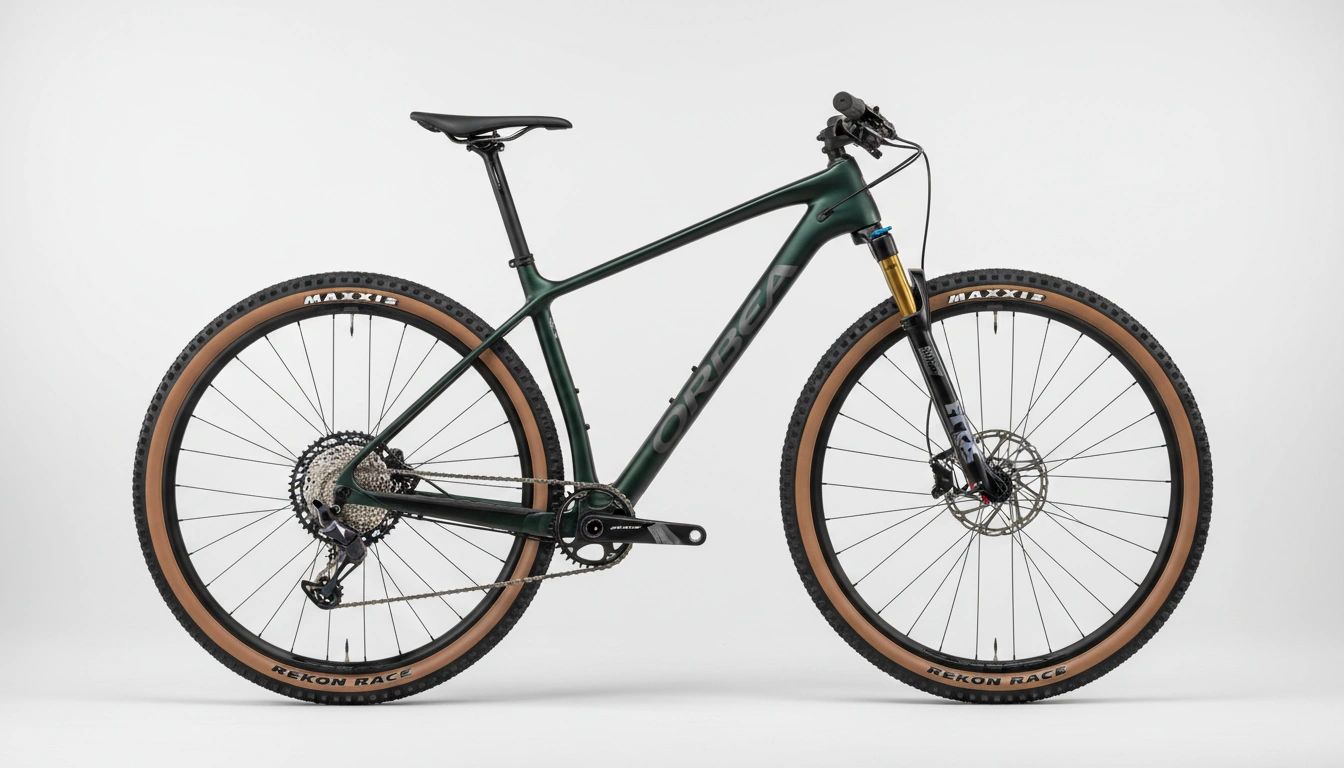
Latest Hardtail Mountain Bike Score Cards
Comprehensive testing and analysis of the lightest, most efficient hardtail mountain bikes on the market.
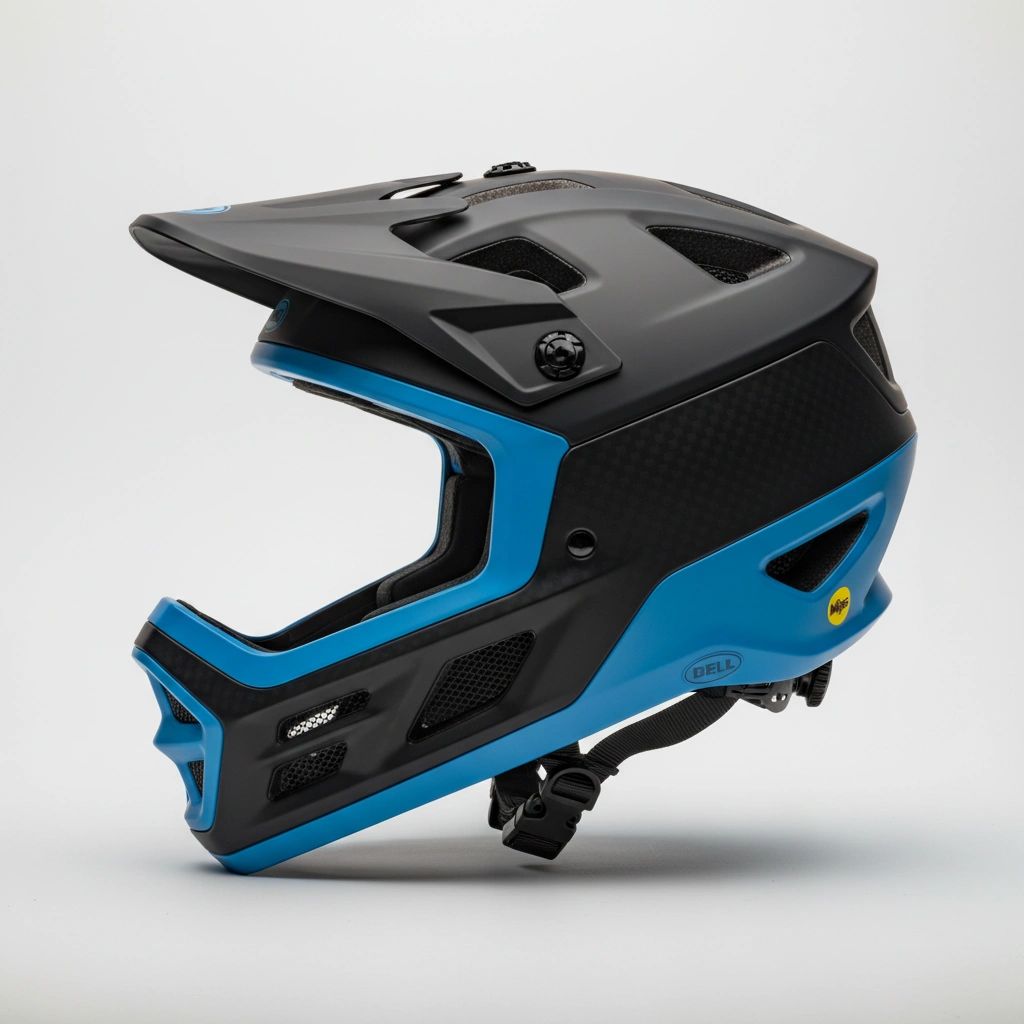
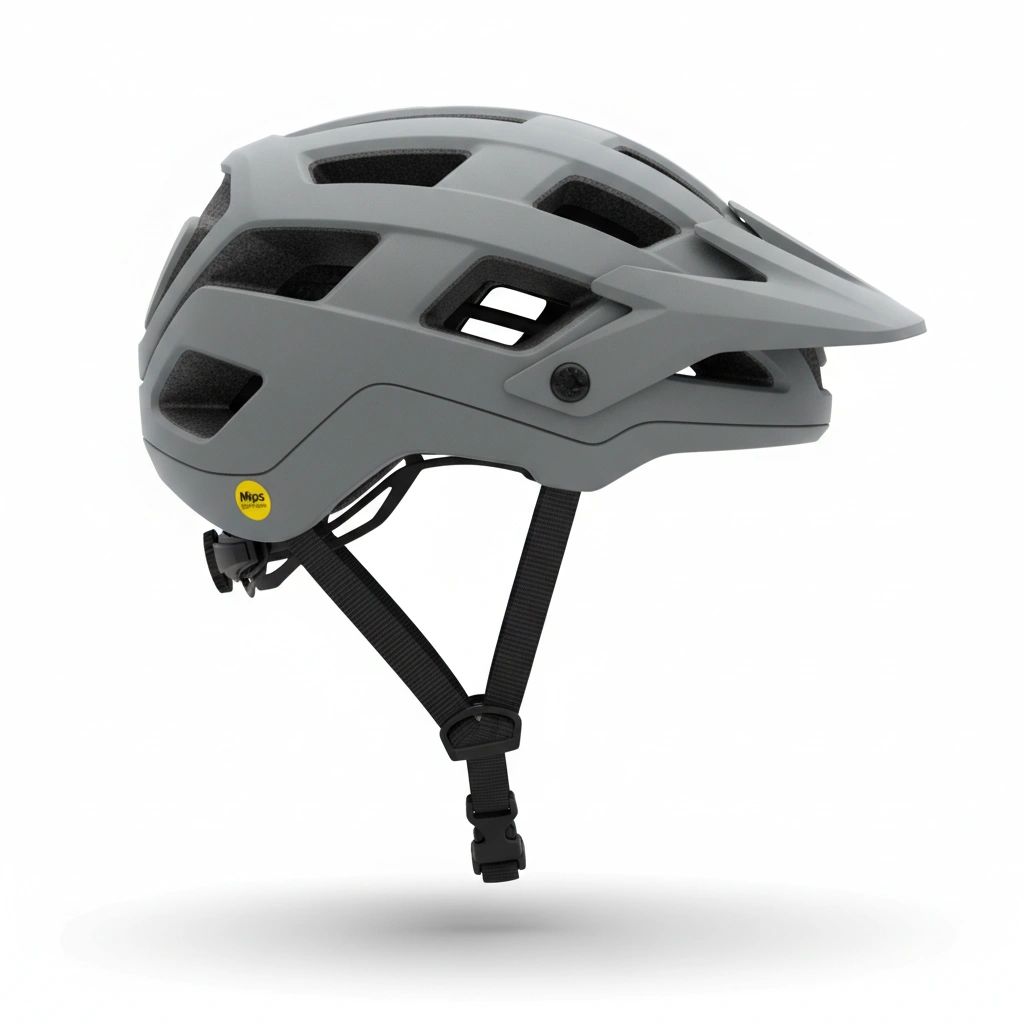
Ultralight Mountain Bike Helmet Score Cards
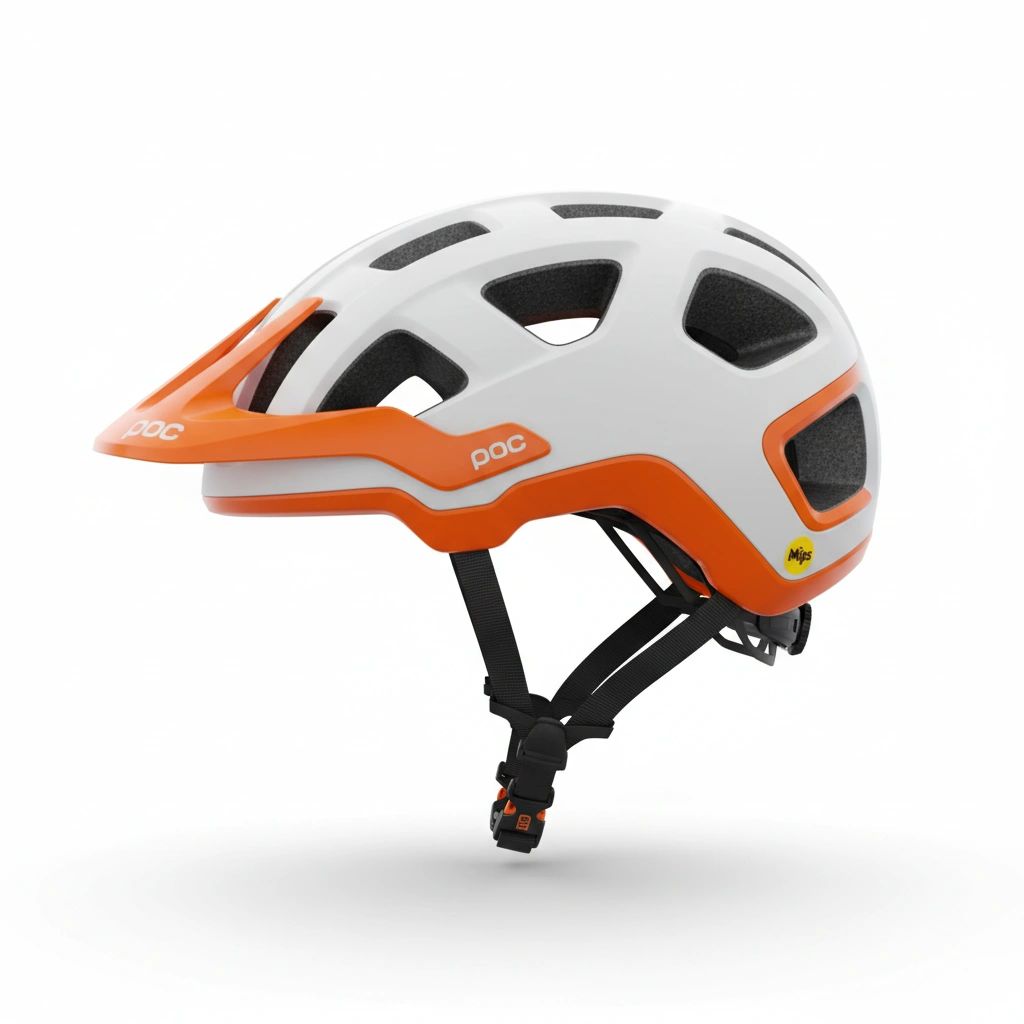
All helmets feature MIPS technology and Virginia Tech 5-star safety ratings.
Featured Bicycling Reviews
In-depth analysis and specification-based evaluation of mountain bikes and cycling gear.

