Cannondale SuperSix EVO LAB71 Score Card — The Feather & Arrow Collective
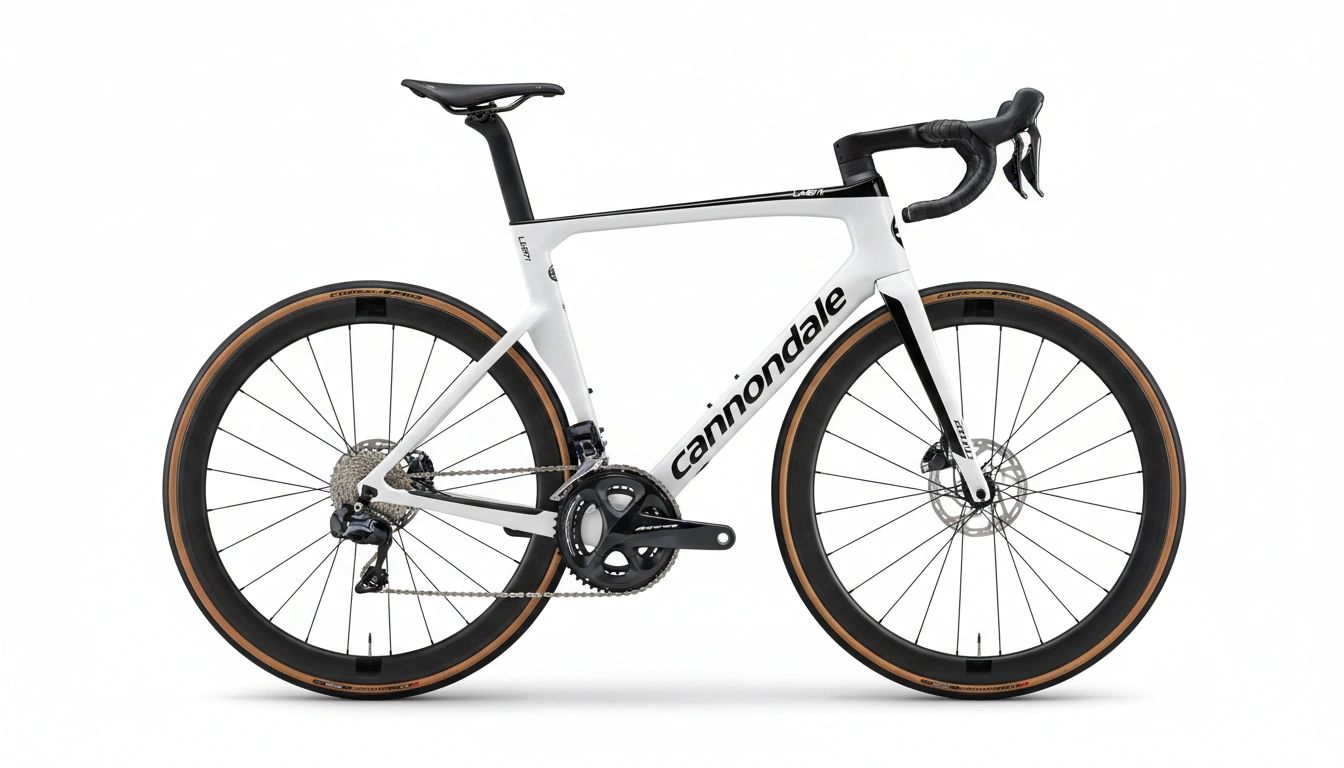
Cannondale SuperSix EVO LAB71
Gear Score Card
Date: June 2026
Overall Rating
9.4
out of 10.0
Weight
~6.35kg complete (56cm)
Available Sizes
Men's: 44, 48, 51, 54, 56, 58, 61cm
Performance Scores
Weight
9.7Frame weight of 755g painted (56cm) with a 378g fork — a combined frameset weight of approximately 1,133g. Complete builds reach approximately 6.35–6.4kg. Cannondale's Series 0 LAB71 carbon construction achieves exceptional mass reduction for an all-around race platform. Source: Cannondale published specifications.
Feather IndexSignature
9.7Compared to the ultralight climbing road bike category average of approximately 7.0kg complete, the LAB71 achieves 91% relative weight. Top 5% of evaluated road bicycles. Series 0 LAB71 carbon enables this mass reduction while maintaining the structural integrity required for sprint and standing climb stiffness. Source: Cannondale published specifications.
Arrow Efficiency ScoreSignature
9.5The LAB71 sits philosophically between a pure climber and an aero road bike — delivering meaningful aerodynamic refinement beyond classic climbers while maintaining exceptional climbing efficiency. Better aerodynamic efficiency than classic climbers translates to compounding time gains on rolling terrain and mountain stages. Source: Cannondale published specifications.
Aerodynamic Efficiency
9.3Cannondale pursued aerodynamic refinement alongside low frame mass — a deliberate departure from traditional featherweight climbers. Cannondale SystemBar integrated cockpit eliminates cable drag and reduces frontal area. Better aerodynamic efficiency than classic climbers per Cannondale published specifications.
Climbing Performance
9.6Exceptional all-around race capability with outstanding climbing response. Series 0 LAB71 carbon delivers extremely high stiffness under sprint and standing climbs — a critical advantage on short, punchy ascents and final-kilometer attacks. BSA threaded bottom bracket provides reliable, serviceable drivetrain interface.
Descending Stability
9.5Very stable descending geometry — a meaningful differentiator versus ultra-minimalist lightweight bikes. The LAB71's aggressive race handling geometry inspires confidence on technical alpine descents. 32mm tire clearance accommodates wider rubber for improved traction and comfort at speed.
Component Integration
9.4Cannondale SystemBar integrated carbon cockpit, Cannondale carbon aero seatpost, and Reserve 57/64 or HollowGram R-SL carbon wheel options. Shimano Dura-Ace Di2 or SRAM Red AXS groupset. Power meter equipped crankset standard. Vittoria Corsa Pro tires. Fizik Antares R1 saddle.
Value
8.1Series 0 LAB71 carbon construction, integrated cockpit, and electronic groupset represent a significant investment. BSA threaded bottom bracket — a conventional standard — reduces long-term service complexity compared to integrated alternatives. Visit our affiliate links to check current pricing.
Technical Specifications
Expert Verdict
The Cannondale SuperSix EVO LAB71 occupies a compelling position in the ultralight climbing road bicycle category — philosophically between a pure climber and a dedicated aero road bike, and better than either in the real-world conditions where most competitive riding occurs. The Series 0 LAB71 carbon construction delivers a 755g frame (56cm painted) and 378g fork, with complete builds reaching approximately 6.35–6.4kg. The LAB71's defining characteristic is its exceptional stiffness under sprint and standing climbs — a critical advantage on punchy ascents and final-kilometer attacks where pure climbers can feel vague. The very stable descending geometry and 32mm tire clearance add confidence on technical alpine descents that ultra-minimalist bikes cannot match. The BSA threaded bottom bracket is a deliberate engineering choice that reduces long-term service complexity without meaningful weight penalty. For competitive road racers, gran fondo athletes, and serious amateurs who demand all-around race capability without sacrificing climbing efficiency, the SuperSix EVO LAB71 is an exceptional choice.
The Feather & Arrow Collective | Independent Evaluation. Intelligent Analysis.
Data Sources: All specifications, weights, and performance data are sourced exclusively from manufacturer published specifications, technical documentation, and peer-reviewed materials science research. No independent physical testing was conducted. Scores reflect comparative analysis of manufacturer data relative to category averages.